2. Real-Time Inventory Visibility
If your POS and your online store don’t talk to each other, you’re flying blind. Modern inventory tools sync stock across channels so you never sell something you don’t have. That alone saves a ton of headaches.
3. Local Delivery or Pickup Options
This is the fun part. You can offer:
- Curbside pickup within an hour
- Bike courier delivery in dense neighborhoods
- Same-day drop-off via local gig drivers
- Lockers or pickup points shared with neighboring shops
4. A Simple Fulfillment Workflow
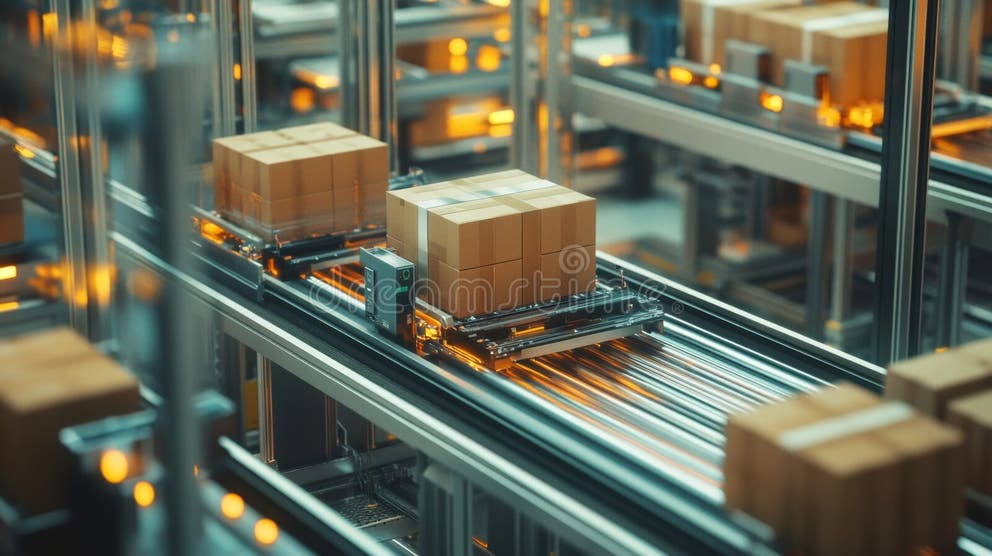
Pick. Pack. Hand off. That’s it. No conveyor belts required. Just clear steps so anyone on your team can do it without a manual.
A Quick Comparison: Traditional vs. Localized Micro-Fulfillment
| Factor | Traditional Fulfillment | Localized Micro-Fulfillment |
|---|---|---|
| Space needed | Very large | Small (back room, corner) |
| Delivery speed | 1–5 days | Same day or hours |
| Shipping cost | High | Low or free |
| Customer connection | Impersonal | Local, human |
| Setup cost | Huge | Modest |
See the pattern? Every advantage tilts toward the small operator. That’s not a coincidence — it’s a shift in how people want to shop.
Real-World Wins (and Yes, They Exist)
Independent grocers in cities like Brooklyn and Portland have started using their back stockrooms as mini fulfillment hubs. Customers order online, staff pick the items, and a bike messenger drops it off in 30 minutes. No giant warehouse. No overnight shipping fees.
Hardware stores? Same story. A customer needs a specific bolt at 4 p.m. on a Saturday. Instead of driving across town, they order from the local shop, and it’s on their porch before dinner.
And here’s the kicker — these shops aren’t just surviving. They’re building loyalty that Amazon literally cannot buy. Because when your neighbor delivers your order, that’s not a transaction. That’s a relationship.
The Tech You Actually Need (Spoiler: Not Much)
You don’t need to overhaul everything. Start with:
- An integrated POS system that syncs online and in-store inventory.
- A simple order management app — many are built into platforms like Shopify or Square.
- A local delivery partner or a small team of your own drivers.
- Clear labeling and shelving so picking takes seconds, not minutes.
That’s honestly it. Fancy automation can come later — if ever. Most independent retailers don’t need robots. They need rhythm.
Common Hiccups (Let’s Be Real)
This isn’t all sunshine. Space is tight. Staff are already stretched. And coordinating deliveries can feel like herding cats on a Monday morning.
But… those problems are manageable. They’re small problems. And small problems are exactly what small businesses are good at solving.
One tip: start with just 10–20 of your best-selling SKUs. Don’t try to micro-fulfill your entire catalog on day one. Test, learn, expand. That’s how the smart ones do it.
Why This Trend Is Only Getting Stronger
Consumers are tired. Tired of waiting a week for a package. Tired of faceless transactions. Tired of supporting companies that don’t know their town exists.
Localized micro-fulfillment taps into something deeper than speed — it taps into belonging. And for independent retailers, that’s the ultimate competitive advantage.
The giants can copy your prices. They can copy your products. But they can’t copy your corner of the world. They can’t copy the fact that you know your customers by name.
So yeah — the future of retail might just be smaller, closer, and a whole lot more human. And honestly? That sounds pretty good.
Something funny is happening in retail right now. The big-box giants keep building massive warehouses the size of small towns, and yet… the smartest money is quietly moving in the opposite direction. Toward tiny. Toward local. Toward you.
If you run an independent shop — a bookstore, a pharmacy, a boutique grocery, whatever — you’ve probably felt the squeeze. Amazon promises same-day delivery. Walmart rolls out curbside pickup like it’s nothing. And you’re standing there thinking, “How on earth do I compete with that?”
Well, here’s the deal: you don’t compete by getting bigger. You compete by getting closer. And that’s where localized micro-fulfillment comes in.
What Exactly Is Micro-Fulfillment, Anyway?
Let’s strip away the buzzwords. Micro-fulfillment is basically the art of storing and preparing orders in small, strategically placed spaces — often inside or near the store itself — rather than in one giant distribution center far away.
Think of it like this. Traditional fulfillment is a huge reservoir way up in the mountains. Micro-fulfillment? That’s a neighborhood well. Both hold water. But one gets it to your glass a whole lot faster.
For independent retailers, this means turning a back room, a spare corner, or even a partnership with a nearby business into a mini order-processing hub. Orders get picked, packed, and handed off to customers or local couriers in minutes — not days.
Why This Matters More Than Ever for Small Shops
Customer expectations have gone absolutely bonkers. In fact, studies suggest that nearly half of online shoppers now expect same-day or next-day delivery, and a big chunk will abandon a cart if shipping feels slow or expensive.
That’s brutal for a small retailer who can’t afford a 200,000-square-foot warehouse. But here’s the twist — you don’t need one. You already have something the giants don’t: physical proximity to actual humans.
Localized micro-fulfillment flips the script. Instead of trying to beat Amazon at its own game, you play a different one. Faster last-mile delivery. Lower shipping costs. Real relationships. And, honestly, a story customers actually want to support.
The Building Blocks of a Micro-Fulfillment Setup
You don’t need a robotics lab or a venture capital round. You need a few smart pieces working together.
1. A Small, Smart Storage Zone
Carve out a dedicated area — even 100 square feet works — for your highest-turnover items. Shelving, bins, labeled zones. The goal is speed, not volume.
2. Real-Time Inventory Visibility
If your POS and your online store don’t talk to each other, you’re flying blind. Modern inventory tools sync stock across channels so you never sell something you don’t have. That alone saves a ton of headaches.
3. Local Delivery or Pickup Options
This is the fun part. You can offer:
- Curbside pickup within an hour
- Bike courier delivery in dense neighborhoods
- Same-day drop-off via local gig drivers
- Lockers or pickup points shared with neighboring shops
4. A Simple Fulfillment Workflow
Pick. Pack. Hand off. That’s it. No conveyor belts required. Just clear steps so anyone on your team can do it without a manual.
A Quick Comparison: Traditional vs. Localized Micro-Fulfillment
| Factor | Traditional Fulfillment | Localized Micro-Fulfillment |
|---|---|---|
| Space needed | Very large | Small (back room, corner) |
| Delivery speed | 1–5 days | Same day or hours |
| Shipping cost | High | Low or free |
| Customer connection | Impersonal | Local, human |
| Setup cost | Huge | Modest |
See the pattern? Every advantage tilts toward the small operator. That’s not a coincidence — it’s a shift in how people want to shop.
Real-World Wins (and Yes, They Exist)
Independent grocers in cities like Brooklyn and Portland have started using their back stockrooms as mini fulfillment hubs. Customers order online, staff pick the items, and a bike messenger drops it off in 30 minutes. No giant warehouse. No overnight shipping fees.
Hardware stores? Same story. A customer needs a specific bolt at 4 p.m. on a Saturday. Instead of driving across town, they order from the local shop, and it’s on their porch before dinner.
And here’s the kicker — these shops aren’t just surviving. They’re building loyalty that Amazon literally cannot buy. Because when your neighbor delivers your order, that’s not a transaction. That’s a relationship.
The Tech You Actually Need (Spoiler: Not Much)
You don’t need to overhaul everything. Start with:
- An integrated POS system that syncs online and in-store inventory.
- A simple order management app — many are built into platforms like Shopify or Square.
- A local delivery partner or a small team of your own drivers.
- Clear labeling and shelving so picking takes seconds, not minutes.
That’s honestly it. Fancy automation can come later — if ever. Most independent retailers don’t need robots. They need rhythm.
Common Hiccups (Let’s Be Real)
This isn’t all sunshine. Space is tight. Staff are already stretched. And coordinating deliveries can feel like herding cats on a Monday morning.
But… those problems are manageable. They’re small problems. And small problems are exactly what small businesses are good at solving.
One tip: start with just 10–20 of your best-selling SKUs. Don’t try to micro-fulfill your entire catalog on day one. Test, learn, expand. That’s how the smart ones do it.
Why This Trend Is Only Getting Stronger
Consumers are tired. Tired of waiting a week for a package. Tired of faceless transactions. Tired of supporting companies that don’t know their town exists.
Localized micro-fulfillment taps into something deeper than speed — it taps into belonging. And for independent retailers, that’s the ultimate competitive advantage.
The giants can copy your prices. They can copy your products. But they can’t copy your corner of the world. They can’t copy the fact that you know your customers by name.
So yeah — the future of retail might just be smaller, closer, and a whole lot more human. And honestly? That sounds pretty good.